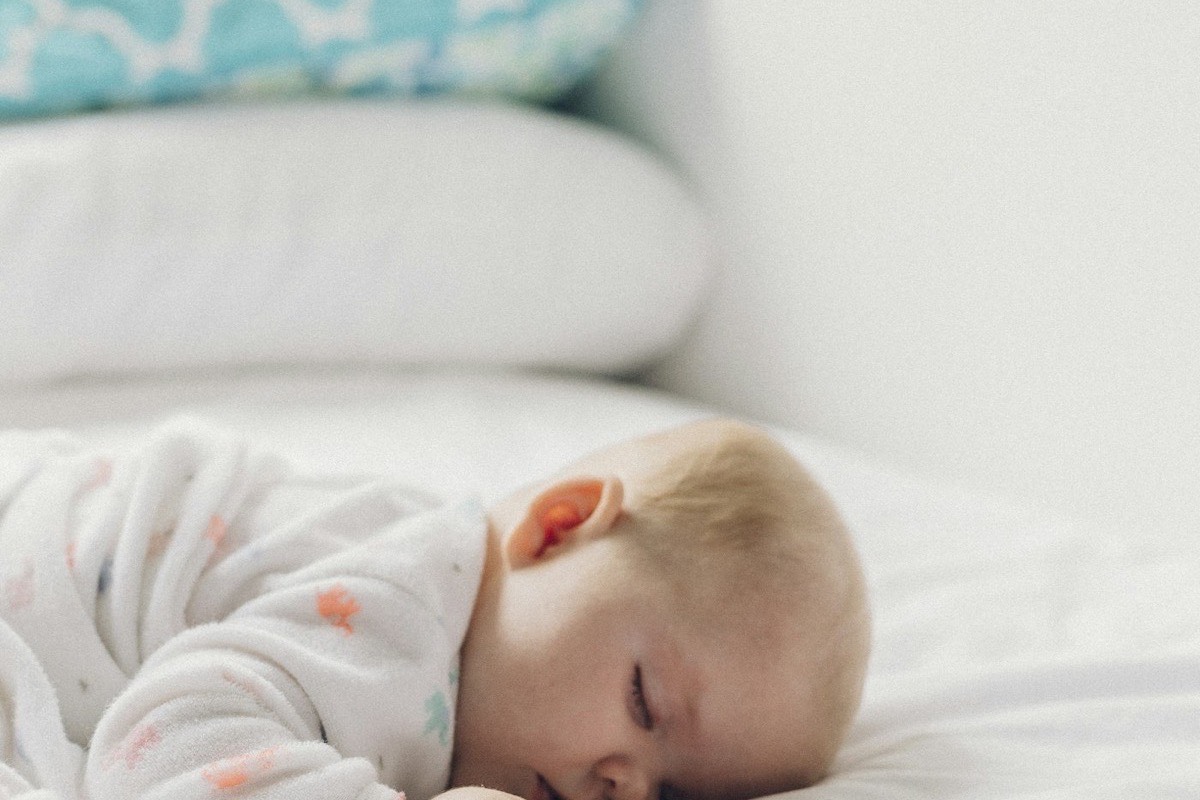
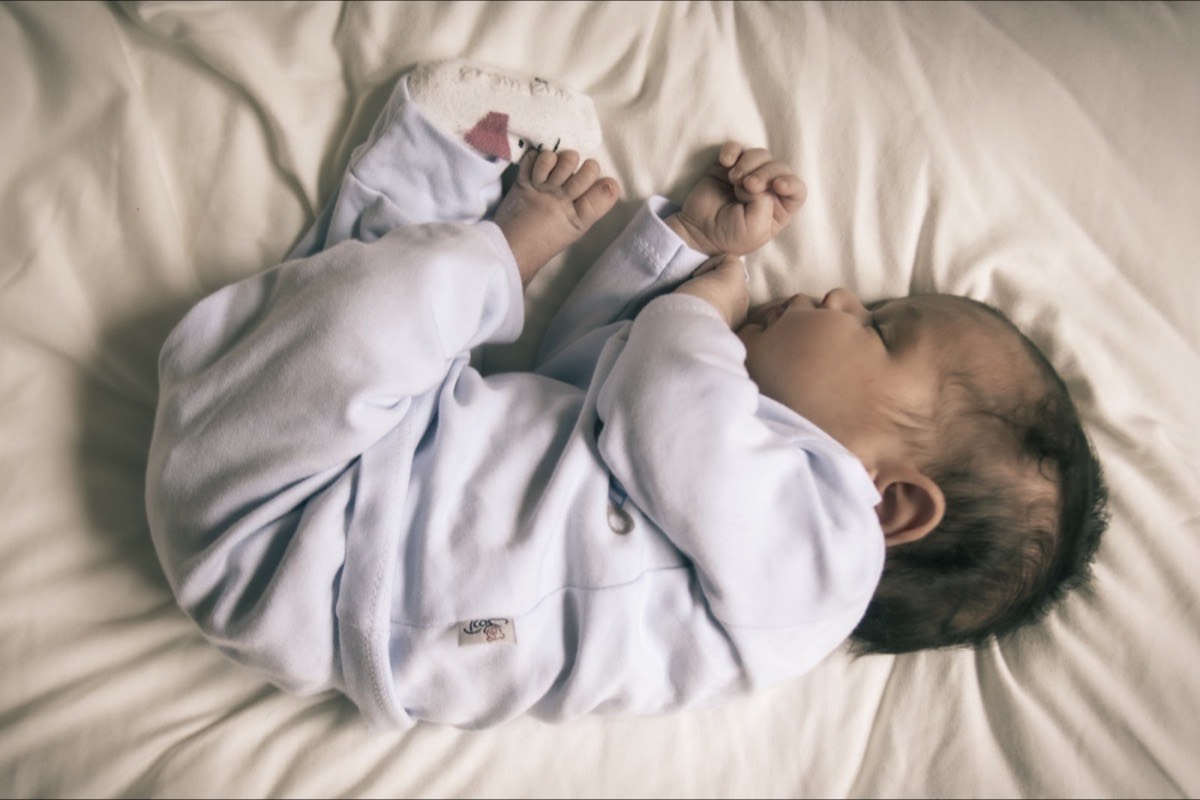
Baby sleep
The Do's and Don'ts of Room Sharing

As a Sleep Sense Consultant, I understand that room sharing with your baby can be both a comforting and challenging experience. While The Lullaby Trust recommends room sharing for at least the first six months (day and night) minimum for the benefits it brings, it’s essential to navigate this time with a balance that promotes restful sleep for everyone involved. Here’s what you need to know about the do's and don'ts of room sharing.
The Do's of Room Sharing
Ideal Room Temperature: 16-20 Celsius.
Use White Noise
If you find that every little sound wakes your baby—or keeps you awake—consider using white noise. A low-level white noise machine can help mask the noises that you or your partner might make during the night, creating a soothing environment for your baby. It’s like bringing a bit of the womb's calming environment into your home.
Create a Barrier
Sometimes, your baby might wake up simply because they’re too aware of your presence. Especially once your baby reaches the 6 month mark. To minimize this, try setting up a screen, curtain, or some kind of partition between your bed and the baby’s sleep space. This can create a small sense of separation that helps everyone sleep more soundly.
Stick to a Routine
Consistency is crucial when room sharing. Establishing a regular bedtime routine will help signal to your baby that it’s time to sleep, no matter where they are. Whether it’s a bath, a story, or a lullaby, sticking to the same routine each night can make bedtime smoother for both of you. It also gives the baby an opportunity to learn to sleep and settle without your presence in the room.
Consider an Earlier Transition
While the AAP advises room sharing for up to a year, many sleep experts find that transitioning your baby to their own room around six months can improve sleep quality for both you and your baby. If your baby starts to wake more often due to your proximity, this might be a sign that they’re ready for their own space.
The Don'ts of Room Sharing
Don’t Co-Sleep
It’s important to remember that room sharing means sharing the same room, not the same bed. Co-sleeping can significantly increase the risk of SIDS and other sleep-related dangers. Your baby should always have their own safe sleep space with a firm mattress and no loose bedding or pillows. If you choose to share a bed with your baby look at the safety guidelines on The Lullaby Trust’s website.
Don’t Ignore the Signs
If your baby is waking more frequently because they can see or hear you, it might be time to think about moving them to their own room after 6 months. Frequent night wakings can disrupt everyone’s sleep and lead to overtiredness, which is challenging for both baby and parents.
Don’t Forget About Your Own Sleep
Your sleep is just as important as your baby’s. If room sharing is causing significant sleep disturbances for you, it’s worth reconsidering your sleeping arrangement. Remember, well-rested parents are better equipped to care for their baby during the day.
Never sleep with your baby on a sofa or armchair.
Finding the Balance
Room sharing can be a wonderful way to keep your baby close and safe during those early months, but it’s important to find a balance that works for your family. While sleep experts agree that everyone would ideally have their own sleep space, that’s not always possible. By incorporating strategies like using white noise and creating a small barrier between you and your baby, you can improve the quality of sleep for everyone.
Remember, your family’s well-being is the priority. If room sharing is the best option for your situation, know that you can make it work. And when the time comes, transitioning your baby to their own room can be a positive step for everyone’s sleep health.
Would you like help putting this into practice?
Every family is different. Book a free 15-minute consultation and I'll talk through your child's situation and tell you honestly how I can help.
Book a free 15-minute consultation